













Dragonia Login In Canada: Smooth Access

A 2026 routine to enter Dragonia Casino in Canada, fix sign-in issues fast, and keep sessions controlled from the start.

Fortune Gems 2 Slot

Table of Contents

  • The Dog House Megaways Slot
  • Lucky Joker 10 Extra Gifts Slot
  • Sword of Ares Slot
  • Floating Dragon Hold & Spin Slot
  • Leprechaun Riches Slot
  • Fruit Cocktail Slot
  • The Dog House Megaways Slot
  • Sword of Ares Slot
  • Fruit Million Slot
  • The Dog House Megaways Slot
  • Big Fisherman Slot
  • Big Fisherman Slot
  • Seven Books Unlimited Slot
  • Dragonia Casino Fortune Slot
  • Sword of Ares Slot
  • Floating Dragon Hold & Spin Slot
  • 9 Mad Hats Slot
  • Floating Dragon Hold & Spin Slot
  • Big Bass Splash Slot
Login 1

Dragonia Casino Login: The Calm Start That Saves Time

Imagine you finally sit down to play, open the platform, and want instant access. Most players rush this moment, then lose ten minutes on a small mistake: Caps Lock, wrong keyboard layout, an old saved password, or a laggy page that didn’t fully refresh. The fastest way to sign in is often slower for ten seconds.

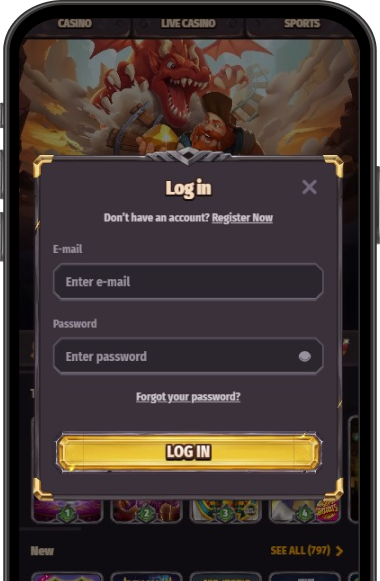
Start with inputs. Check your keyboard language, disable accidental autocorrect on mobile, and type your email carefully once. If you keep failing, stop guessing and use a secure source for credentials. Guessing leads to repeated attempts, and repeated attempts lead to lockouts.

Next, stabilize your environment. Pick one primary device for sign-in. Keep your browser updated. Avoid switching networks mid-step. Imagine you request a confirmation code on Wi-Fi, then switch to mobile data, then try again in a new tab - that’s how simple flows become loops.

Dragonia Casino is available in Canada and is intended for legal-age adults, with account activity expected to follow applicable rules and routine identity checks. The practical takeaway is consistency: stable personal details, predictable logins, and calm verification when needed.

Before you deposit, take two minutes to locate the tools that matter later: transaction history, responsible play limits, and support. Players usually search for these only after they’re annoyed. Find them while calm and you’ll feel in control during real sessions.

The Two Most Common Sign-In Errors

Picture this: you are sure your password is correct, but it fails twice, and your fingers start typing faster. Often it’s a hidden issue - an extra space copied at the end of the password, a browser autofill using an old credential, or a keyboard layout change you didn’t notice. Re-enter the password from your secure storage and use any “show password” option once to verify what you actually typed.

The second common error is using the wrong email. Many players have multiple inboxes and rely on memory under pressure. If you are unsure, check the email you used for confirmation messages and stick to that one address. Random guessing is the fastest route to a temporary block.

A Quick Pre-Flight Check Before You Try Again

Imagine you fail once and feel tempted to retry immediately. Do a short pre-flight check instead: close extra tabs, refresh once, confirm your connection is stable, then try one careful attempt. If it fails again, stop and move to a clean session test rather than hammering the same attempt.

This is a small mental shift: you are not trying to win a fight, you are trying to regain access with minimal noise. Calm steps work better than stubborn repetition.
Dragonia Login Troubleshooting Without Panic Clicking

Imagine you’ve tried twice, it still fails, and now everything feels annoying. This is where players usually make things worse by changing five variables at once: new device, new browser, new network, new password, new email guess. The fastest troubleshooting approach is the opposite - change one variable, test once, then decide.

Login 2

Start with a clean session. Open a private browsing window and attempt sign-in one time. If it works there, your main browser likely has cached data or autofill issues. You’ve learned the cause without deleting everything.

If the clean session still fails, confirm you are using the correct credentials. Use recovery only when you are sure you need it. Resetting passwords impulsively can create a second problem if you later realize you were entering the wrong email.

If you receive a lockout message, stop. Lockouts are security features. Waiting is often faster than trying to push through. Set a short timer, come back with a calm head, and follow recovery steps once.

When a confirmation code is involved, treat it as a single-use ticket. Request one code, use it immediately, and wait for confirmation. Players who request multiple codes “just in case” often invalidate earlier ones and create confusion.

Clean Browser Session Vs Full Reset

Picture clearing your entire browser storage and losing every saved preference, then realizing the issue remains. You don’t need the nuclear option first. Test a private window. If it works, clear cookies and cache for the platform only, then restart the browser and try again once.

If you use strict blockers or privacy extensions, consider temporarily disabling the strictest settings for the sign-in step. You can restore your usual configuration after access is stable. The goal is to complete one critical action, not to rebuild your whole setup.

When To Switch Devices And When Not To

Imagine you switch from phone to laptop mid-process because you feel stuck. Sometimes it helps, but switching too early can create new prompts and extra checks. Finish one step on one device first. If you are recovering access, complete the recovery flow on one stable device and network, then log in elsewhere.

If you routinely use multiple devices, expect more verification prompts. That’s normal. The smoother approach is to pick one device for key actions like deposits, withdrawals, and verification, and keep your behavior predictable.

Account Setup In Canada: Make Future You Thank You

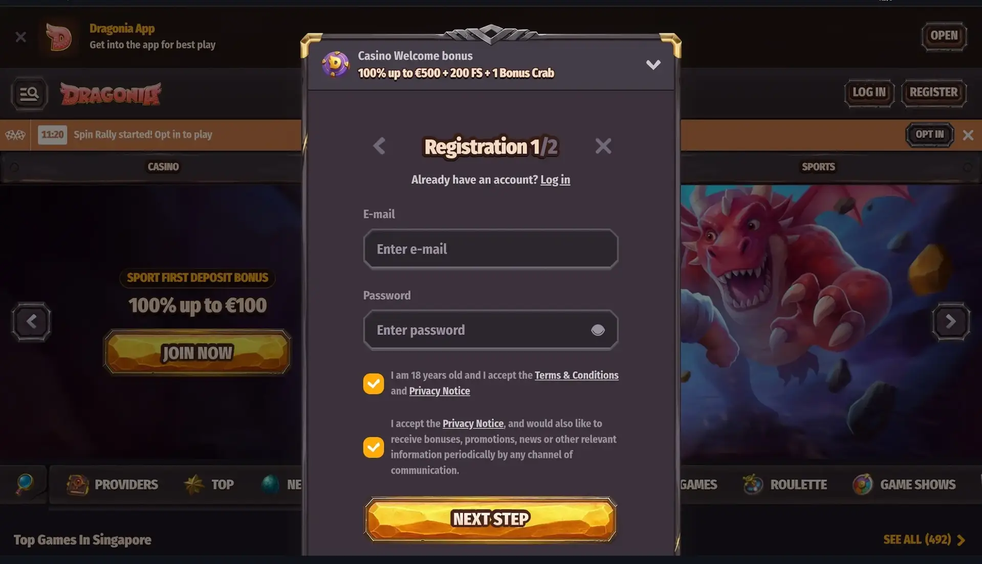
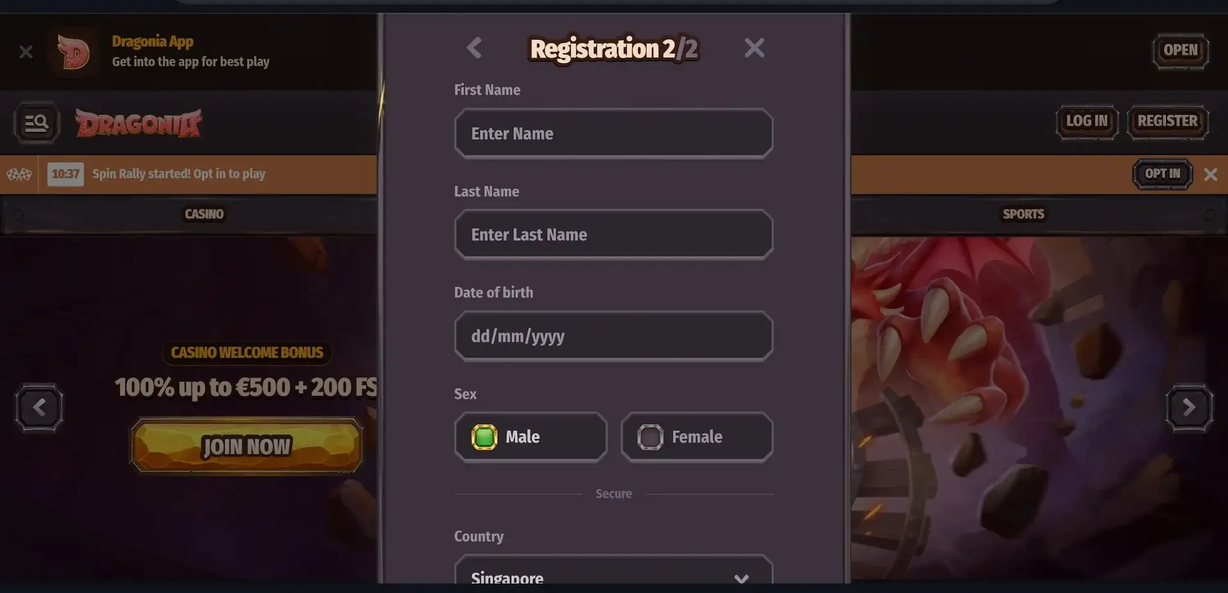
Imagine you sign up quickly, type your details “close enough,” and tell yourself you’ll fix it later. Later usually arrives during a withdrawal request, when details suddenly matter. The calm strategy is to build a clean account trail early so you don’t have to fix it under stress.

Login 3

Use one email you control and one phone number you actually use. Store your password securely so you stop relying on memory. Usually players get stuck because they reuse weak passwords or they keep changing credentials in frustration, which triggers more security steps.

Enter your personal details carefully and keep them consistent. Don’t type your address one way today and reformat it tomorrow. Even small differences can create mismatches. If you are unsure, copy details from the same personal document each time.

Do verification on a neutral day. Imagine trying to upload documents late at night in bad lighting - you’ll rush, submit blurry photos, and end up re-uploading. Calm verification reduces friction later and makes cashouts feel simpler.

Set responsible play tools before you play. Deposit caps, session reminders, timeouts, and longer breaks are easiest to set while calm. If you wait until you feel tempted, you will negotiate with yourself and loosen rules.

Payments And Cashouts After Login: Keep It Consistent

Imagine you finally get in, deposit quickly, and everything feels smooth. Then later you want to withdraw and you switch payment methods because it feels more convenient. That switching is where friction often appears. Consistency keeps the process simple: one method you can repeat, stable profile details, and no last-minute edits right before a request.

Treat deposits as funding a plan, not reacting to a mood. Decide your budget before you open the cashier. If you open the cashier first, your brain will negotiate and stretch the amount, especially after a losing streak.

Withdrawals should be handled like paperwork. Take a short break, confirm your details, submit once, and stop clicking. If a status shows pending, don’t refresh constantly. Check on a schedule. If you contact support, send facts: time of request, method used, and the exact status label you see.

Task

Best Calm Action

What Creates Problems

Simple Habit

Deposit once

Choose amount and method once

Changing options mid-checkout

Decide budget before opening cashier

Confirm a transaction

Wait for a clear confirmation state

Double clicking on slow screens

One click, then wait

Prepare to withdraw

Review profile details and verification

Last-minute profile edits

Do housekeeping on a neutral day

Request a cashout

Submit once, note the time

Re-submitting out of anxiety

Check status on a timer

Ask support for help

Send exact details and one question

Vague “it’s stuck” messages

Include device, time, screen wording

The Calm Withdrawal Checklist

Picture yourself right after a strong session, heart rate up, and your fingers moving fast. That’s when mistakes happen. Pause for two minutes, confirm your details look consistent, confirm the method, then submit once and stop.

Write down the time you submitted the request. It’s not dramatic. It’s clarity. If you need support, you’ll have facts instead of fuzzy memory.

Mobile Access In 2026: Short Sessions, Fewer Mis-Taps

Imagine you sign in on your phone while multitasking and tell yourself it’s only for a minute. Mobile sessions drift because the device is always in your pocket. The fix is boundaries: an external timer, a short plan, and a clear closing ritual.

Keep your app and browser updated, and ensure your device time is correct. Time mismatches can break code validation and create extra prompts. If the screen lags, do not double-tap. One tap, wait for the confirmation state, then proceed.

Avoid doing critical steps on unstable public networks. If you must, keep actions minimal: sign in, check balance, then log out. Save deposits and withdrawals for a stable connection so you don’t trigger errors mid-step.

If you switch between phone and desktop, complete one step fully on one device before moving to another. Switching mid-confirmation is where players create loops and confusion.

A Simple Mobile Routine That Prevents Drift

Imagine a three-step habit: sign in, set the timer, choose one game category, then play a short block. When the timer ends, close the app fully. This prevents endless scrolling and reduces the chance you keep playing simply because the next option is one swipe away.

If you feel impatience rising, treat it as a stop signal. A short timeout or break resets your mood and protects your budget.

Support, Safety, And Responsible Tools

Imagine you hit a snag and you message support with “it doesn’t work.” You’ll likely get a generic reply because the agent has no facts to act on. Write like a teammate instead: what you did, when you did it, what device you used, and the exact message shown on screen.

Keep your account safety habits boring. Use a strong password and store it securely. Avoid shared devices. Log out fully when you’re done. If you routinely sign in from many devices, expect more prompts. That’s normal.

Use responsible play tools proactively. Set deposit caps and session reminders before you start. Separate play into short sessions with breaks. If you notice chasing behavior or frustration, use a cooling-off break early as a reset button.

Finally, respect warning signs. If something looks unclear, don’t push more money into the flow. Pause, ask one precise question, and decide when you have clarity. Calm decisions beat fast decisions.

FAQ

Use the recovery flow in one clean run with stable connection and one code request at a time. Imagine you request multiple codes because the first feels slow, then you try them in random order and get stuck. Request one code, use it immediately, set a new password you can store securely, and update saved credentials so you don’t repeat the same lockout later.

Often the issue is a small input mismatch: wrong keyboard layout, Caps Lock, an old autofill entry, or a hidden space pasted into a field. Imagine typing faster after each failure - that’s how players create a lockout. Re-enter credentials from a secure source, try once in a clean private window, and change only one variable at a time.

Stop trying and let the lockout window pass, because repeated attempts can extend the block. Imagine forcing more tries out of frustration - it rarely helps. Wait, then return with a calm head, use recovery if needed, and avoid guessing. Storing credentials securely prevents the same problem next time.

This usually happens when the system detects an unfamiliar device, browser, or network and wants to protect your account. Imagine you normally use one phone and today you try a different laptop - a confirmation prompt is expected. Complete the prompt once, keep your connection stable, and only trust devices you personally control.

Set your budget and time limit before you open the cashier, then use reminders and deposit caps to keep your plan intact when mood changes. Imagine you enter “for a few minutes” and drift because there’s no stopping point. Use an external timer, take breaks between sessions, and use a cooling-off tool early if you notice chasing behavior.

Send a short factual report: what you did, when you did it, what device you used, and the exact wording shown on the screen. Imagine the difference between “help” and a message with a timestamp and status label - the second message is actionable. Keep one issue per message and avoid changing account details while waiting.

Yes, if you keep your steps clean and finish each confirmation on one device before switching. Imagine starting a code step on mobile, switching networks, then trying to finish on desktop - that often creates errors. Use personal devices, log out of shared ones, and keep critical actions like deposits and withdrawals on a stable connection.

🇬🇧 English